


Silent observers of changing times, London’s trees help to reveal the history and legends of the city. Here, Mark Hooper, author of The Great British Tree Biography, takes us on a tour to uncover the stories joining our London spaces…
Historic London trees and the stories they tell us
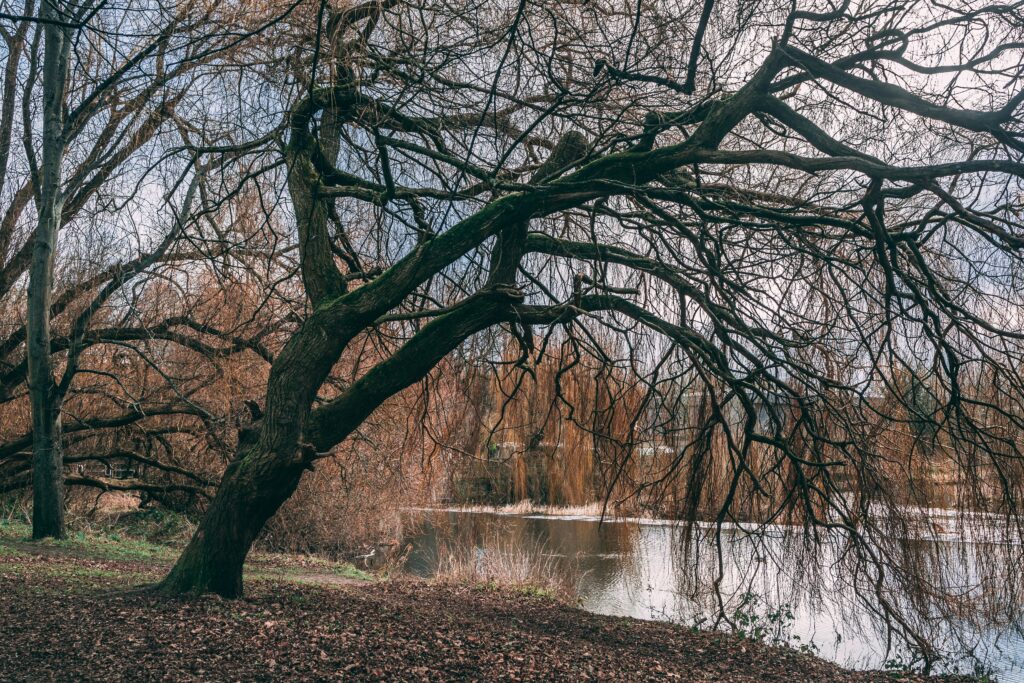
If we start our tree journey from our Westbourne Park building and take a little stroll over to Westbourne Green – this site was recently chosen as the site for a 426-tree Japanese style ‘micro forest’, using species including blackthorn, field maple and crab apple, all known for their qualities in absorbing air pollution particles.

IMG. 1
From here, we follow the route of the Westbourne north-eastwards to our newest building in Belsize Park. Named after a period manor house (derived from the French ‘bel assis’, meaning ‘well-situated’), the parklands were opened up as pleasure gardens in 1721 for those looking to escape the London grime. Many famous trees are still remembered through place names – included nearby Gospel Oak, named after a prominent oak tree (chopped down in the 19th century) that marked the boundary between Hampstead and St Pancras, where locals would come to hear local preachers. Of course, Hampstead Heath still offers common land for all to roam in, and boasts some 450 veteran trees. Notable amongst these is Pitt’s Arch Beech, which once formed the entrance to a walled garden belonging to British PM William Pitt the Elder.
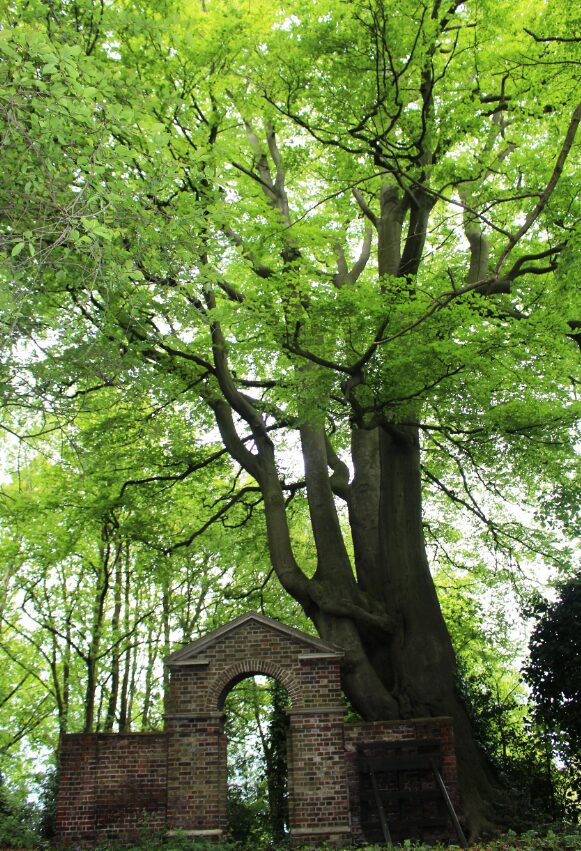
IMG. 2
Heading southwards, we arrive at the distinctive Primrose Hill, with its commanding views across London and the inscription written in stone at its summit quoting William Blake: ‘I have conversed with the spiritual Sun. I saw him on Primrose Hill’. The natural hill was made open to the public by an Act of Parliament in 1842. Most prominent on the steep slope is ‘Shakespeare’s Tree’ – an oak planted two years later in 1864 to mark 300 years since the playwright’s birth. Primrose Hill also features large in pop cultural history – the photoshoot for The Rolling Stones’ Between The Buttons LP took place here, and it is also said to have inspired Paul McCartney to write The Beatles classic ‘Fool on the Hill’. More recently, Regents Park Rd, which leads to the foot of the hill, was also home to Creation Records in their heyday in the 1990s – and of course, where we find our final Mason & Fifth pitstop.
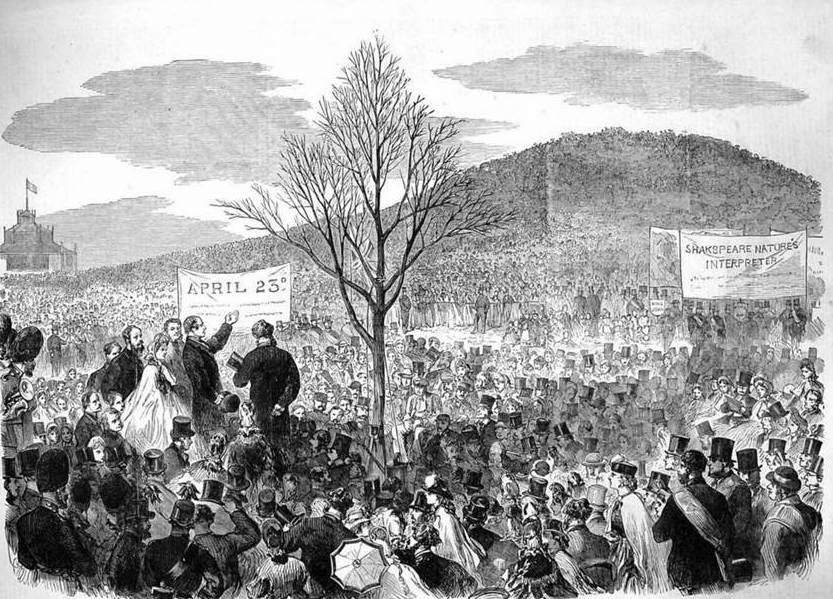
IMG. 3
And so, from Westbourne Park to Primrose Hill, London’s trees continue to stand quietly through centuries of change. They carry traces of forgotten rivers, old landmarks and shared histories, woven into everyday life. As the city continues to evolve, these green spaces remind us that London’s story has always been shaped as much by nature as by the buildings around it.