I cherish music, not just songs, but specific sounds. The cry of a saxophone stirs something ancient in me, and a certain kind of spacious guitar reverb makes me feel like I’m floating out of myself to somewhere sacred and weightless. My relationship to music is visceral, intimate and overwhelming.
However, I love music so much that I don’t want to hear it all the time.
Yet even in practices designed to help us sit with ourselves, you’ll struggle to find a guided meditation that is free of ethereal chimes or distant whale calls.
Maybe I’m getting older, grumpier, or simply responding to the bombardment of modernity, but I find myself craving silence in ways I never once did. And at the risk of sounding like I’m trying to frame my own personal preference as a public good, I think society could do with more of it. If we don’t, companies will continue to believe the best way to keep customers waiting is through playing that distorted hold music.
As someone who can’t work while music plays, at first, I thought I’d be writing an impassioned plea for more silence in public spaces. By all means, if it were up to me, we’d reserve the right to perform a citizen’s arrest on people who play music out loud on public transport. But the reasons why music plays in cafes, shops and other places I’d prefer it didn’t are understandable.
IMG. 1
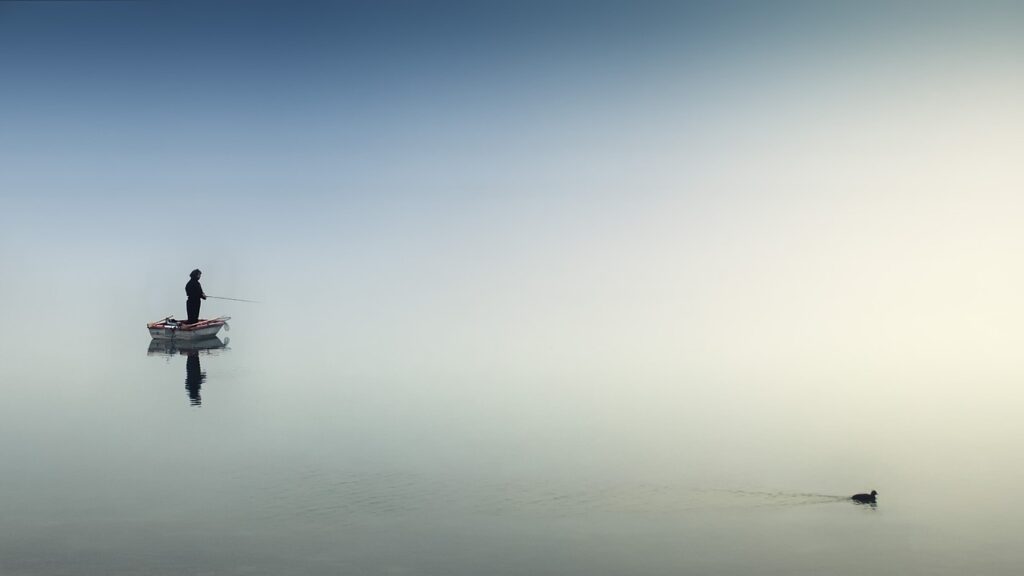
So in the spirit of being measured, consider this an invitation to reconsider our view of silence for it is a “vibe” in and of itself. It can be atmospheric, calm, and sensual. It’s like the eye-contact of the sonic world, confident and intimate.
That so many struggle with attention and focus is no mystery in a world of short clips, lists and soundbites. Who wouldn’t feel discombobulated if they rarely create the time to hear themselves think? Thinking often flourishes on walks or in the shower because the body is gently engaged and the mind is finally allowed to wander. The same clarity can arise anytime we stop filling every spare moment with noise.
Composer John Cage understood this in his infamous piece “4’33”. No notes are played, instead the audience becomes the music through coughs, shuffling and whispered discomfort. In the absence of playing, the world rushes back in, the hum of the room, the scrape of a chair, your own breathing. Silence, Cage reminds us, doesn’t mute life, but hands it a microphone.
Perhaps the single thing I’m most passionate about is how to prevent convenience and technology from severing our ability to do things we once did with ease. Being able to withstand silence is one of the most fundamental human capacities, one many of us may be in danger of losing.
IMG. 2
I noticed this when I invited someone over to my flat and she told me the absence of music made it feel like an interview. Or in the days I’ve spent around people who quite literally fill every waking—and even sleeping—moment with sound. Silence has begun to read not as ease or intimacy, but as something awkward, sterile or even threatening.
As we start the new year, one thing worth making more space for might be silence, not as a path to serenity, but as a way of recovering intimacy. I can’t prove it, but I suspect our avoidance of silence is closely tied to our fear of it.
An important part of intimacy is attention to subtlety: noticing small changes, fleeting expressions, what isn’t immediately spoken. Silence trains that noticing and without it, even closeness can start to feel daunting rather than nourishing.
In a world of my own making, it wouldn’t be unusual to invite those closest to us to keep us company without much speaking. I’m sure more people would be willing to spend time together if the pressure to talk didn’t loom so large because what we’re often seeking is presence not the performance of being okay, when inside we are anything but.
Though it may seem pointless to some, it’s its own form of intimacy; you have to feel fairly at ease with someone to want to share a space with them while saying very little.
IMG. 3
Rather than always relying on audio aids, we can trust the rhythm of our own minds. We don’t have to believe everything it says, but there is much to learn from what we wish it didn’t say. We can instead be the witness, not the participant, of the vast, unruly space we call a mind.
Many lament the rise of black-and-white thinking and call for more “critical thinkers”. But better thinking is only a matter of education and reading, it’s the sum of the mental skills we practice. Without comfort in quiet, we miss what silence offers: connections, insights, and ideas that only surface when they aren’t drowned out.
Ralph Waldo Emerson
“In every work of genius we recognise our own rejected thoughts”
perhaps the main difference between those people who seem to have endless pearls of wisdom and those who don’t is only that they gave themselves the space to hear what they were saying. Though it’s tempting to fill every moment with music or distraction, especially when we feel a greater pressure to be in the know, many answers sit within reach, we just need to sit with silence long enough to hear them.